
Cleaning Your Effluent Filter
New septic systems often include effluent filters. Properly caring for your filter will keep your septic system running longer and help you avoid tens of thousands of dollars in costly repairs. Use this page to understand how to care for your effluent filter.

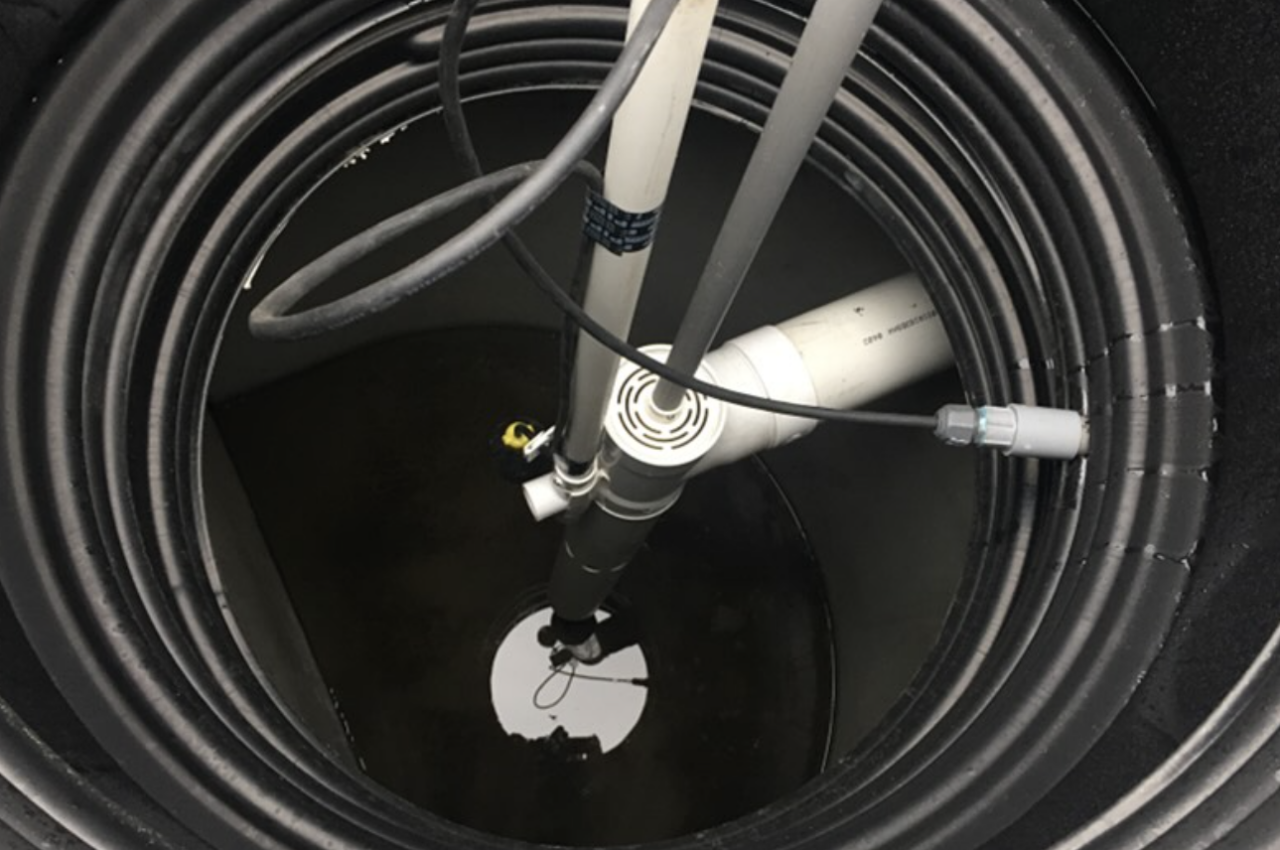
Understanding Your Effluent Filter
For most septic systems, the effluent filter will look like a tube with a handle running down the side of the septic tank. If you pull the filter out, you will notice it is designed to prevent larger objects from leaving the septic tank.
Effluent filters can get clogged over time! So that’s why it is so important to care for them properly and save tens of thousands in potential fees. How often you need to clean the filter will vary depending on your system, but every six months is the most common.
How to Clean an Effluent Filter
Step 1: Get Your Tools
You’ll need tools to open the septic tank!
- For plastic lids, you will need a drill, a drill bit, and somewhere to hold the screws from the lid. You may need specialized tools to lift metal lids.
- Get a garden hose with a spray nozzle.
- Put on a pair of disposable nitrile gloves.
Step 2: Clear the Area
Make sure there are no children, pets, or anything else that could fall into the tank.
Step 3: Open the Lid
Open the lid with the effluent filter beneath it, then open the furthest upstream lid (usually the one closest to your house). We recommend placing the lids upside down on the ground so the part of the lid that was on the inside of the tank doesn’t touch the ground. Be careful not to fall into the tank!
If the tank has secondary safety features to prevent children from falling in, such as grates or nets, you may need to temporarily open or remove them.
Step 4: Remove the Filter
Pull out the effluent filter and hold it over the furthest upstream manhole.
Step 5: Clean the Filter
Rinse the filter into the manhole using the garden hose. Carefully aim it so no water splashes back on you. Make sure the hose does not touch the filter and that no part of it goes into the manhole.
Step 6: Replace the Filter
You can now put the filter back where it came from, as well as any of the secondary safety measures you might have temporarily removed. Make sure to put lids back on and ensure they are secure to prevent children from falling in.
Step 7: Clean Up and Set a Reminder
- Carefully remove your gloves and throw them away.
- Clean off the garden hose nozzle if needed.
- Wash your hands.
Don’t forget to set a reminder for the next time you need to clean your filter!