
Maintaining Your Septic System
Think of your septic system like a car: it requires regular checks and maintenance. This page will help you understand your septic system and the steps you can take to prevent expensive breakdowns.

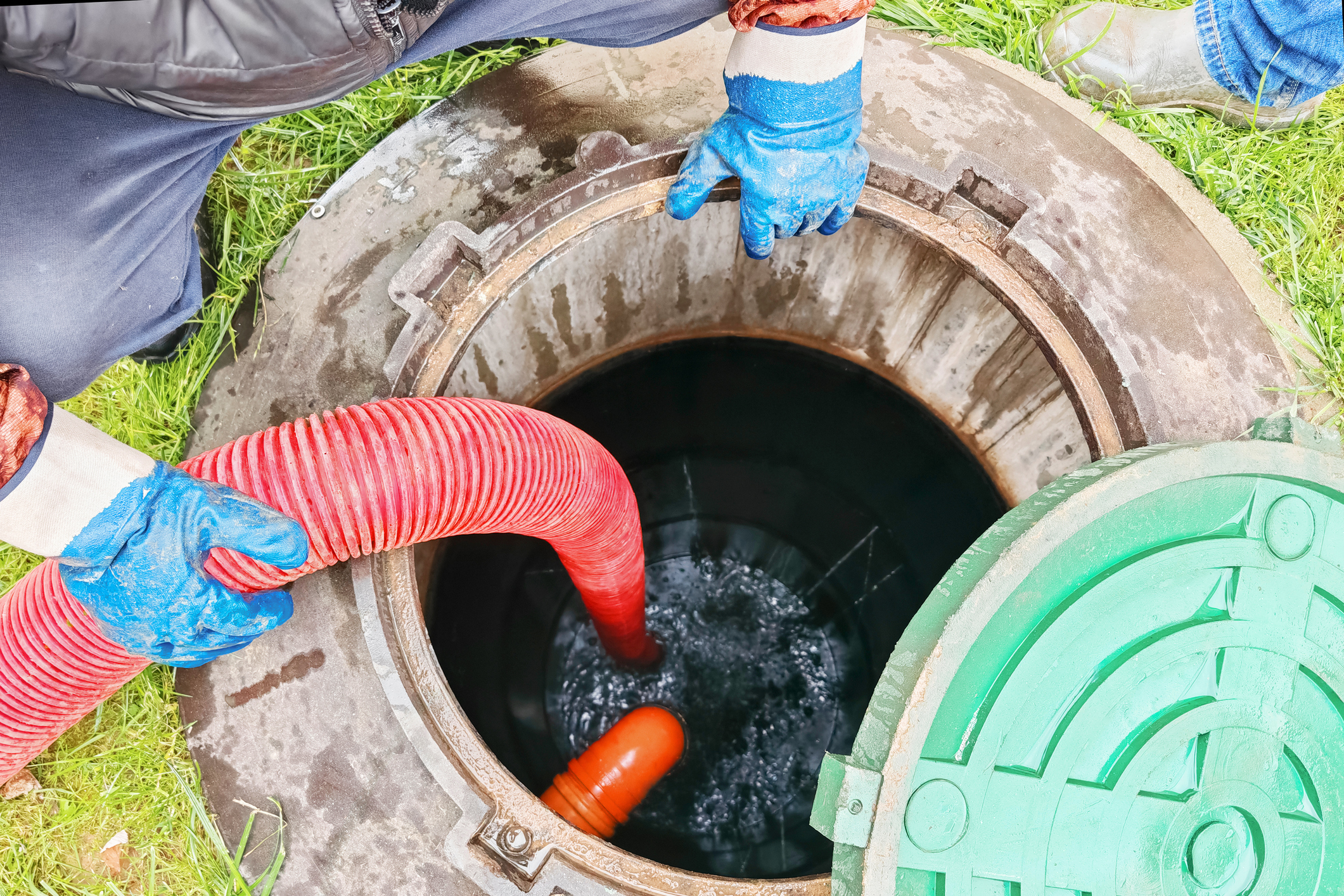
What is a Septic System?
Septic systems are underground, on-site wastewater treatment systems. They are often found in rural and even suburban communities without access to centralized wastewater treatment. Each system has two primary parts:
- The tank, which allows solids to sink to the bottom while fats and oils float to the top.
- The leach field (also known as a soil treatment area), which helps to break down the waste released from the septic tank.
Routine Maintenance Recommendations
Explore the recommendations below to ensure your septic system is well taken care of and lasts as long as possible without expensive repair costs.
- Pump and inspect: Your tank should be pumped every two to four years. An overfull tank can result in permanent clogging.
- Clean the filter: If you have an effluent filter, make sure to clean it every six months or as needed.
- Keep records: Make sure you save all logs of pumping, inspections, and repairs.
- Conserve water: Fix any leaks immediately and make sure to use water-efficient appliances.
- Don’t strain your drain: Avoid running more than two loads of laundry per day.
- Think at the sink: Never flush diapers, wipes, cat litter, coffee grounds, feminine products, paint, oil, or pesticides down the drain. Try to avoid using garbage disposals when possible.
- Skip the septic tank additives: They’re not proven to help. Some can even damage your system!
- Shield your field: Keep cars and heavy equipment away from the drain field to prevent pipe damage and compacting the soil.
- Manage vegetation: Try to plan only native, drought-resistant grass over the field. Keep trees away! Roots can damage the pipes.
- Divert water: Make sure irrigation and rain gutters drain AWAY from the leach field to keep it from getting too wet.
Never ignore an alarm! If you hear it, minimize water use immediately and call a professional. Clogged filters are a common cause for alarms.