
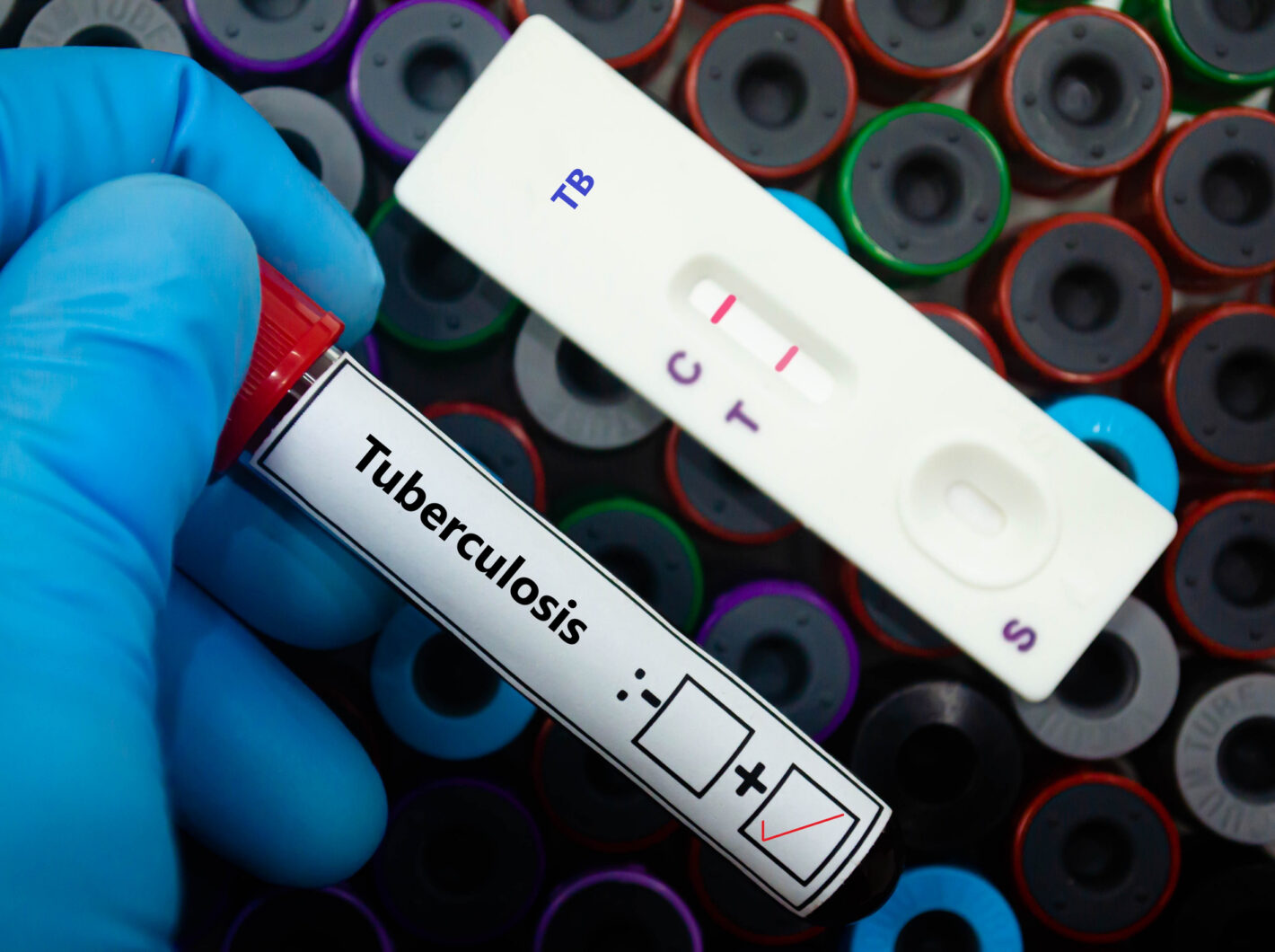
What is Tuberculosis (TB)?
Tuberculosis (TB) is a serious disease caused by the germ Mycobacterium tuberculosis. TB usually affects the lungs but can also affect other parts of the body, including the brain, kidneys, and spine.
TB spreads through the air when a person with active TB disease in the lungs or throat coughs, sneezes, speaks, or sings. People usually become infected after sharing the same air with someone who has active TB for a long period – often several hours – in indoor spaces. Because TB can spread to others, public health departments investigate cases of active TB to identify people who may have been exposed, recommend testing and treatment, and help prevent others from getting sick.
Why does TB matter?
TB remains one of the world’s leading infectious disease killers.
- CDC estimates up to 13 million people in the United States live with inactive TB.
- Without treatment, 1 in 10 people with inactive TB will get sick with active TB disease. TB disease can spread to others and be deadly.
- Early testing, treatment, and public health investigations help stop TB from spreading and save lives.
Is Adams County Health Department investigating TB at the GEO Aurora ICE Processing Center?
We are aware of one laboratory-confirmed case of active TB disease. We are aware of media reports about other possible cases, but we have not confirmed those reports. Under Colorado law, local public health agencies are required to investigate every confirmed case of active TB disease. We have been unable to complete an investigation because the facility has not provided the information.
Is the investigation complete?
No. The Adams County Health Department does not have enough information to complete a public health investigation. We have requested access and information to help the facility prevent the spread of TB. This is standard practice for public health when investigating communicable diseases.
Because access and information were not voluntarily provided, the Adams County Health Department issued a Public Health Order on June 25, 2026, requiring compliance with Colorado public health laws.
How does public health usually investigate TB?
Under Colorado law, local public health agencies are required to investigate every confirmed case of TB disease.
The public health investigation helps
- Identify people who may have been exposed.
- Arrange TB testing for exposed individuals.
- Provide treatment for those with inactive or active TB.
- Prevent additional spread within the community.
TB investigations can be complex. It is important for public health to conduct these investigations. Adams County Health Department partners with Denver Health Tuberculosis Clinic on TB investigations.
Are visitors to the GEO Aurora ICE Processing Center at risk of TB?
ACHD is currently aware of only one confirmed recent case of TB at the GEO Aurora ICE Processing Center. The greatest risk of exposure is for people who have had prolonged contact with a person with TB. People who were exposed are unlikely to have developed active TB disease in such a short period of time. However, it is important for public health officials to evaluate the people exposed to prevent future illness and disease spread.
With what we know now, the risk to visitors remains low. Currently, visitors to the facility do not need to wear a mask to protect themselves from TB. We are not recommending any changes to routine work or visitation schedules at the facility.
My friend or family member is in the facility. How can they protect themselves from TB?
People who have been exposed to someone with TB need evaluation and may need treatment to prevent them from getting sick. The greatest risk from exposure in the facility is for:
- People who had prolonged contact with the person with TB;
- And people who may be immunocompromised:
- Due to their health conditions (such as HIV or an organ transplant), or
- Due to certain medications.
People who were known to be exposed to TB in the facility, and people in the facility who have not had a known exposure but are immunocompromised:
- Should have received a skin test or blood test and a risk assessment.
- Should receive another skin or blood test 8-10 weeks after their exposure.
- If testing is positive, one should receive another evaluation and, depending on the evaluation, might receive treatment to prevent active TB disease.
If your friend or family member was exposed and is released from the facility, or if they are uncertain whether they have been exposed, they can be evaluated by a healthcare provider free of charge at the Denver Health TB Clinic. If your friend or family member was exposed and has moved or left the country, they should be evaluated by a healthcare provider as soon as possible.
People who have not had a known exposure and are not immunocompromised do not need to take action at this time. People who had minimal exposure to the person with TB are unlikely to develop active TB disease. If additional information is obtained and recommendations change, we will communicate with affected people and update this information here.
What are the types of TB?
Not everyone infected with TB germs becomes sick. As a result, two TB-related conditions exist: inactive TB (or latent TB infection) and active TB disease.
Inactive TB (latent TB infection) happens when the TB germs live in the body without making you sick. People with inactive TB do not feel sick, do not have symptoms, and cannot spread the germ to others. People with inactive TB can become sick (active TB disease) if they do not get treatment.
Active TB disease happens when the immune system does not keep the TB bacteria from growing (multiplying) in your body. In general, about 1 in 10 people with inactive TB develop active TB disease. People with active TB usually (but not always) feel sick. They can also spread the germs to others when they share air for long periods of time. Active TB needs treatment, and without it, it can be fatal.
What Are the Symptoms of Active TB
Symptoms of TB include
- A cough lasting 3 weeks or longer
- Chest pain
- Coughing up blood or sputum (mucus)
- Weakness or fatigue
- Weight loss
- Loss of appetite
- Fever